Turning science into something real.
Validated concepts are developed into stable, manufacturable, market-ready products through a structured, iterative process — prototype, revision, validation, documentation.
- Refine
- Validate
- Prepare
A measured development sequence.
Four stages, each with a defined output. Nothing moves forward until the previous stage has produced something you can hold or read.
- 01
Design & Prototype
First representative samples are built against the target product profile, with format, dose and presentation defined up front.
OutputPrototype set + technical notes
- 02
Test & Iterate
Sensory, stability behaviour, appearance and cost are addressed in short, deliberate revision cycles.
OutputRevised formula + written rationale
- 03
Validate & Document
Packaging fit, dose delivery and process behaviour are checked in the intended presentation and written down.
OutputConfirmed presentation + specification
- 04
Pilot Ready
Formula and process are prepared for a controlled pilot run and later scale.
OutputProduction-ready documentation
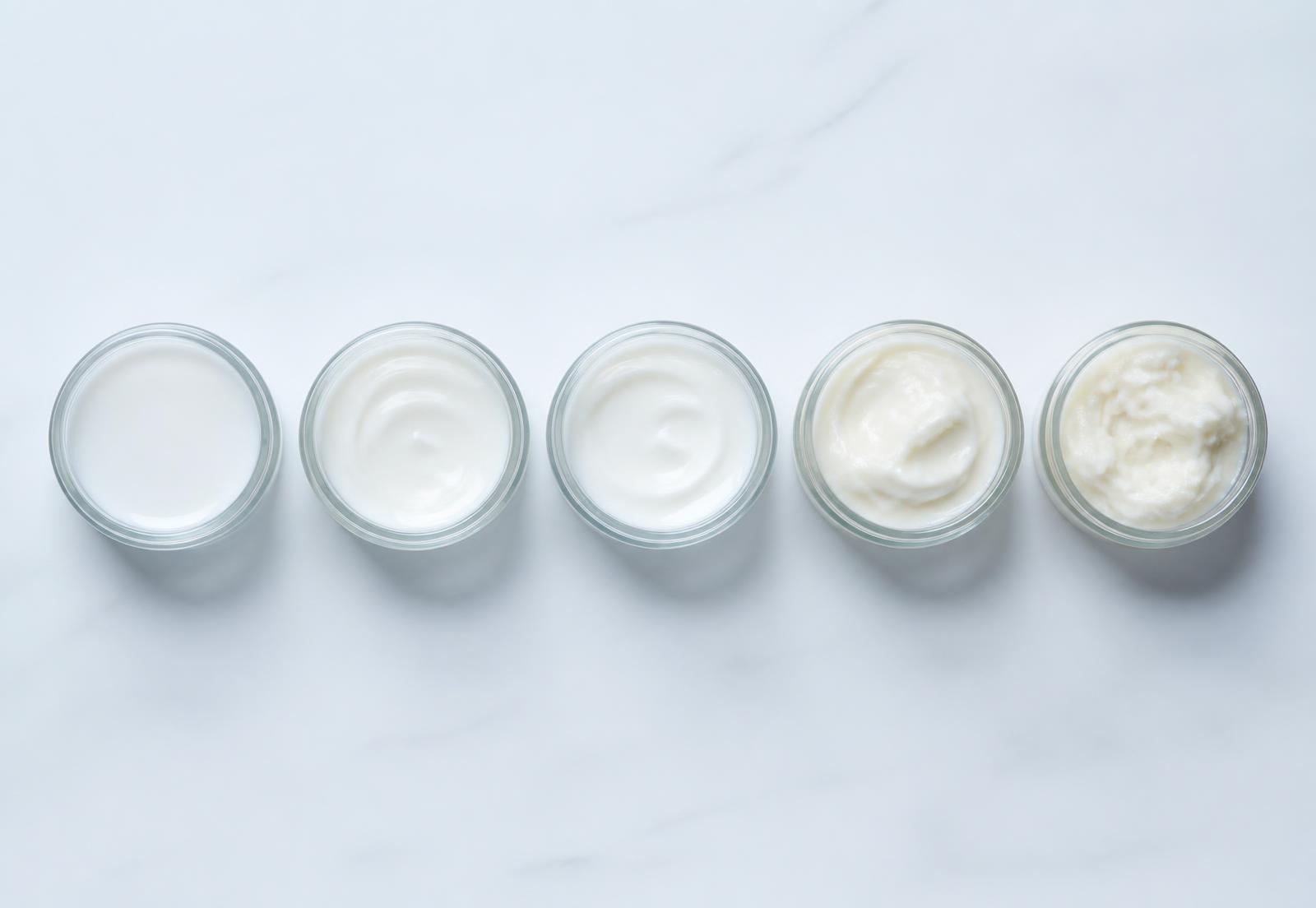
Iteration, recorded
The package is part of the experiment.
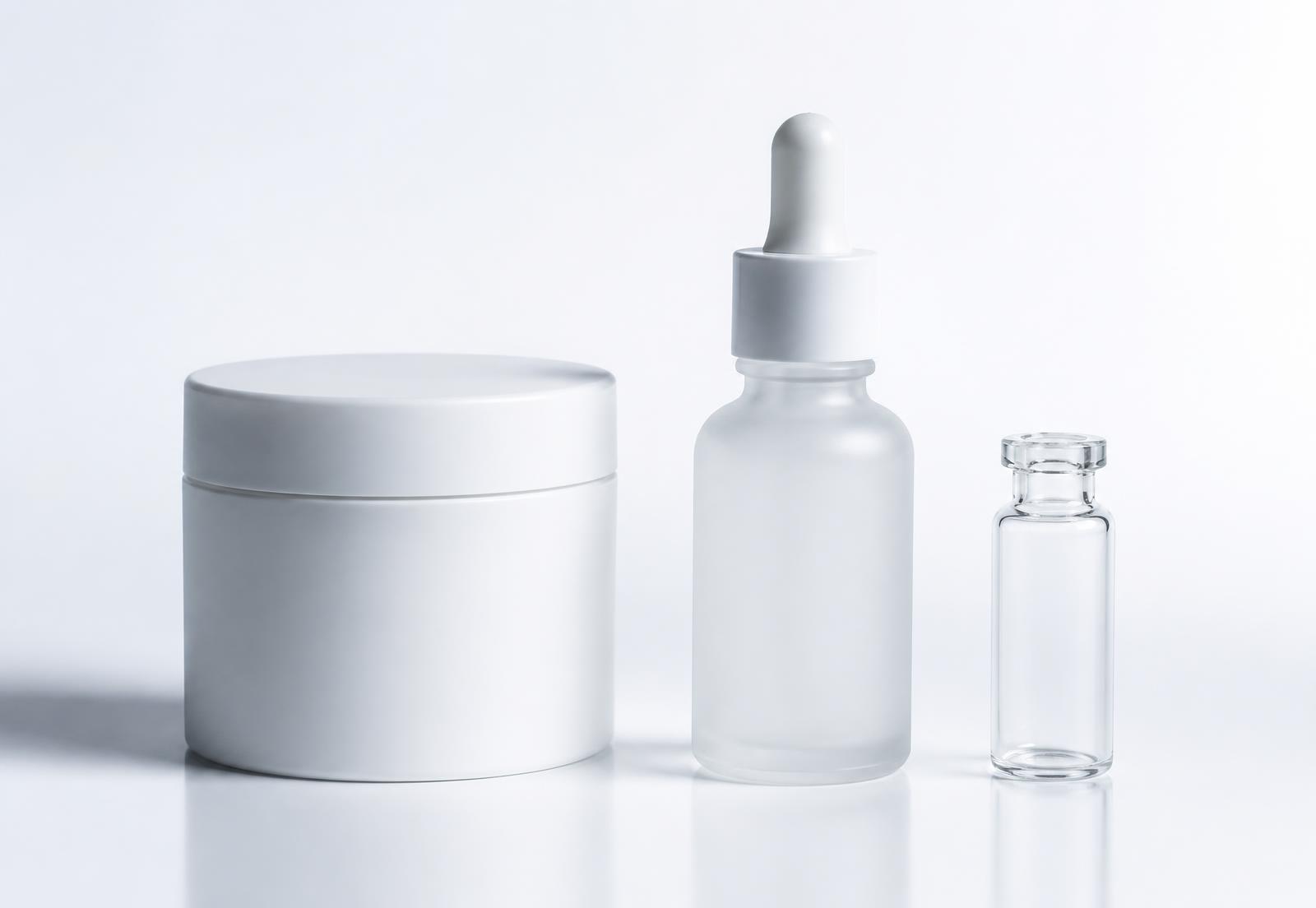
A formula that works in a beaker can behave differently in the container it ships in. Each revision is checked against the things that decide whether a product is actually makeable.
- Packaging fit
- Fill behaviour
- Dose delivery
- Sensory profile
- Stability behaviour
- Manufacturability
- Cost structure
- Revision history
Disciplined development.
Direct access to the people making the technical decisions, with short revision cycles and documented reasoning.
Formulation expertise
Development stays close to the chemistry. Changes are made to the formula for stated technical reasons, not to close a revision round.
Evidence-led decisions
Each revision carries a recorded reason, an observed result and a limitation. Testing is coordinated through qualified third-party laboratories.
Manufacturing readiness
Packaging, fill behaviour, equipment tolerance and cost structure are treated as development inputs rather than post-launch surprises.
From concept to pilot
Development ends where the first real run begins.
When the formula, presentation and process are documented, the product moves into a controlled development-scale run — enough units to expose process and packaging problems while they are still inexpensive to fix.
100–500
Typical pilot units. Development scale, not low-MOQ manufacturing.
See pilot production →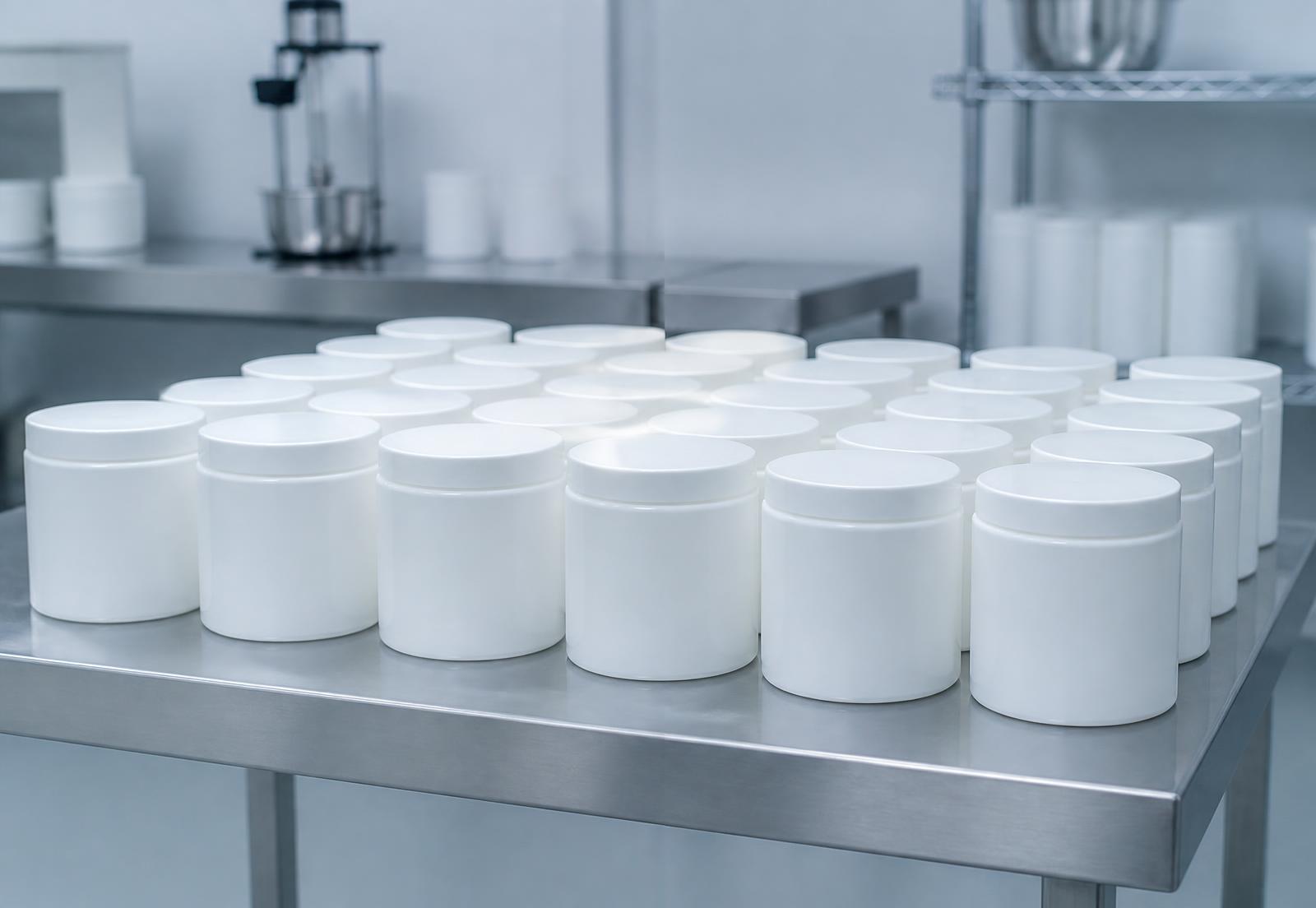
Label copy, packaging artwork and the claims a product will carry develop alongside the prototype. Compliance and claims review helps identify regulatory considerations before that language reaches a label, package or website.
Compliance & claims reviewStart with the project as it is today
What stage is the product at?
Tell us where the project stands today. Every brief is reviewed for technical fit, development readiness and current laboratory capacity — you do not need all the technical answers first.
How packaging fits into development →Six short steps. No account, no pricing gate.
Or contact the laboratory directly